In the humid New Orleans climate, air duct cleaning is about more than dust. Moisture inside the ductwork encourages mold and mildew that then circulate through your home, which is a real concern in Metairie, Mid-City, and Orleans Parish houses. Using the proper methods makes the difference. The guide below covers them, and our air duct cleaning service helps metro families keep indoor air clean.
Big Easy Pressure Washing‘s regular air duct cleaning protects your air quality and keeps your HVAC system running efficiently. It’s astounding to know that with the proper air duct cleaning method, dust, allergens, and other harmful pollutants are removed entirely.
It’s true, a cleaner system means fewer allergens in the air and lower energy costs, providing you with both health and money-saving benefits. Properly done, air duct cleaning can help improve home air quality, it doesn’t have to be complicated or costly.
Why Clean Air Ducts?
Cleaning your air ducts means more than being a routine to be performed; instead, it is an essential investment in terms of your house’s air quality, health, and energy efficiency. Clean air ducts improve indoor air significantly, especially among people who may have asthma or allergies.
The polluted air can cause serious respiratory issues; therefore, clean your ducts every 3 to 5 years. That will keep the air fresh from allergens while also helping to make your HVAC system run at its best with lower energy costs. What duct cleaning costs depends on how large your system is, how easy the ductwork is to reach, and what condition it’s in, so ask for a quote based on your home.
Some cleaning products that contain regulated biocides are generally considered safe when applied appropriately. Clean ducts are only part of the way to attain better indoor air quality, but combining them with other good air habits can yield the best results.
Proper Air Duct Cleaning Steps
Cleaning air ducts is essential because it gives the house or building good quality indoor air, meaning that the house’s HVAC systems will work normally. Dust, allergens, and other debris in the duct will be removed, hence leaving your space cleaner and even more enjoyable.
-
Inspect the Ducts
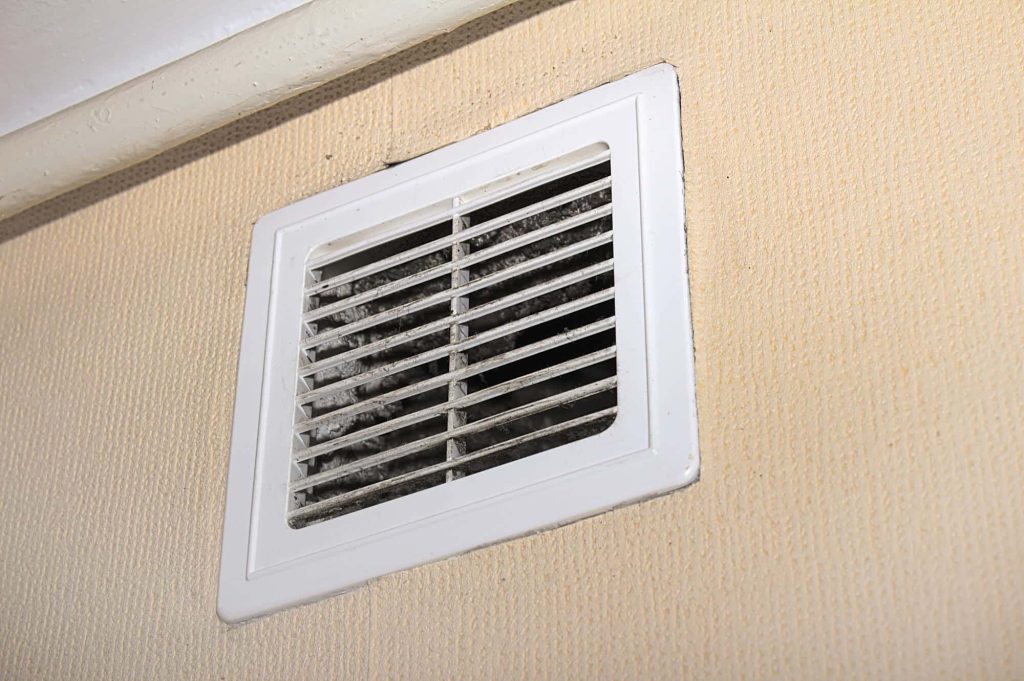
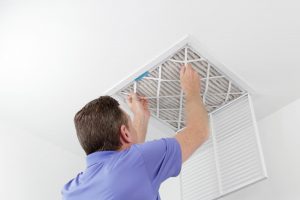 You can begin by looking at the ducts attached to the return and supply registers. It helps catch any cracks or blockages right from the beginning. A cursory visual examination will expose you to dust buildup and possibly even mold. A detailed inspection makes sure all the areas requiring cleaning are covered before you begin cleaning.
 -
Gather Necessary Tools
To clean effectively, you need the right equipment, including a vacuum with HEPA filters, brushes, and compressed air tools. HEPA filters are considered an important feature as they trap tiny particles that will not be released into the indoor air. If cleaners carry the proper equipment, you are assured that their job will be complete and effective.
-
Turn Off the HVAC System
Turn off the HVAC system to clean to prevent the circulation of dust and debris. That way, it protects your house, and you, and the cleaning process goes relatively smoothly since airflow will not distract you.
-
Remove Vent Covers
The vent covers have to be handled carefully for exposure to the ducts. With this, direct cleaning access to every part of the ductwork can easily be performed, leaving no portion of the system unused. The vent covers may also be cleaned using warm water containing a mild soap.
- Clean with VacuumClean the ducts with a vacuum equipped with HEPA filtration. This cleaning technique removes loose dust and debris completely. A vacuum system that operates under negative pressure is preferred, as this keeps debris contained while it is being removed.
-
Brush and Agitate Debris
Use a brush to scrub the duct interiors and loosen up the built-on dirt and debris. Compressed air tools help access deeper ducts. This step is important for a deep clean, as it helps eliminate debris that the vacuum could leave behind.
-
Clean Registers and Grilles
Clean each floor, wall, and ceiling register and grille with a damp cloth. This final step completes the air duct cleaning process. It helps make sure that all exposed HVAC components are clean and free of dust and debris.
-
Reassemble and Test System
Once the cleaning is done, reassemble the vent covers and turn the HVAC system on again. Finally, extensive testing is done to make sure the system is in perfect working order, proving that the duct cleaning was effective.
Techniques for Effective Cleaning
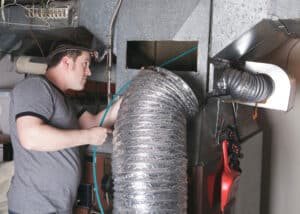 These techniques used on the air duct will remove the accumulated dust and debris that brings harm to its flow. If executed properly, indoor air quality will increase and your HVAC equipment will live longer.
Use of HEPA Vacuums
HEPA vacuums, with their ability to filter minute particles, become important in clearing out air ducts. Thus, microscopic pollutants are purged out due to the working of negative pressure created by this type of vacuum, which essentially sucks harmful pollutants from the system so that they do not leak into the breathable air.
A HEPA vacuum captures dust and provides your home with quality air. It allows for a good cleaning of every part of your HVAC system-from coils, to drain pans and even the air filters.
Compressed Air Tools
Compressed air tools, such as high-pressure air washing systems, are very effective in cleaning the components of HVAC. They make use of air sweep or whip methods that vibrate dirt and debris loose. This process is important for removing contamination sources.
Biocides and Sanitizers
Where mechanical cleaning is unavoidable, biocide and sanitizer additions greatly enhance its effect. Again, these materials need to be registered with the EPA, as those compounds kill what has evaded removal via mechanical cleaning or perhaps even leave something else in the bacterium.
Applying biocides in HVAC systems regularly prevents the growth of microbes in the future. Cleaning every 3-5 years is advisable, as it can prevent expensive problems such as clogged air filters later on.
Negative Air and Agitation in New Orleans Ductwork
The two methods do different jobs, and humid-climate ducts usually need both. Negative air uses a powerful vacuum connected to the system to pull loosened debris out and keep it from blowing into the house. Brush or air-whip agitation knocks loose what’s stuck to the duct walls. Here, what’s stuck is often more than dust, because summer humidity binds dust into a film on duct walls, especially near the air handler and in runs through a hot attic, and a vacuum alone slides past it.
- Negative air without agitation: removes loose dust but leaves the film, so a musty smell often comes back.
- Agitation without negative air: breaks debris loose and sends it out the registers into your rooms.
- Both, in order: put the system under negative pressure first, then agitate section by section so everything loosened gets captured.
Cleaning is only half the fix if moisture keeps coming back. EPA recommends keeping indoor humidity below 60 percent, ideally between 30 and 50, so ask about torn duct insulation, leaky joints, and a clogged condensate line during the visit. Kenner homeowners can start with our Kenner service area, and if the dryer shares the same laundry closet, our dryer vent cleaning is worth doing in the same visit.
Safety Precautions During Cleaning
Protective equipment must be worn while cleaning air ducts for safety and legal purposes. Duct cleaners should be trained on how to use and maintain PPE effectively. Good-quality safety goggles should be comfortable and anti-fogging. People spend around 90% of their time indoors; hence, indoor air quality must be good.
Several types of PPE include safety goggles, respirators, N95 masks, cut-proof gloves, and earplugs, among others. Good ventilation when cleaning will also help minimize dust and leave a cleaner environment with fresher air. Also, the ducts must not be damaged in any way since duct leakage can lead to HVAC issues; using the proper tools and techniques will save money on expensive repairs later on.
Clean Air Ducts Like a Pro
Cleaning your air ducts enhances indoor air quality and boosts HVAC efficiency. By following these tips, you can easily eliminate dust and debris. Be sure to wear safety gear during the process.
Regular cleaning not only enhances air quality but also extends your system’s lifespan. You don’t need fancy equipment, just follow the proper cleaning method. Experience the benefits of cleaner air and a more efficient system.
Ready to improve your air quality? Start cleaning your ducts today and enjoy the rewards. Improve your indoor environment with Big Easy Pressure Washing, call then now for cleaner air tomorrow!