


Call Us (504) 688-3995
Call Us (504) 688-3995

Carpet cleaning is essential for having a clean and welcoming environment. The dilemma of steam vs. dry carpet cleaning has its advantages depending on the type of carpet, level of cleaning needed, and available time before preparation will be needed. This article from Big Easy Pressure Washing lays out the differences in operation, price, and usability to assist in making the decision between team vs. dry carpet cleaning, which is best for each unique situation.
Steaming and dry carpet cleaning employ various processes, moisture levels, and drying times. Each is suitable for various types of carpets, rooms, and requirements.
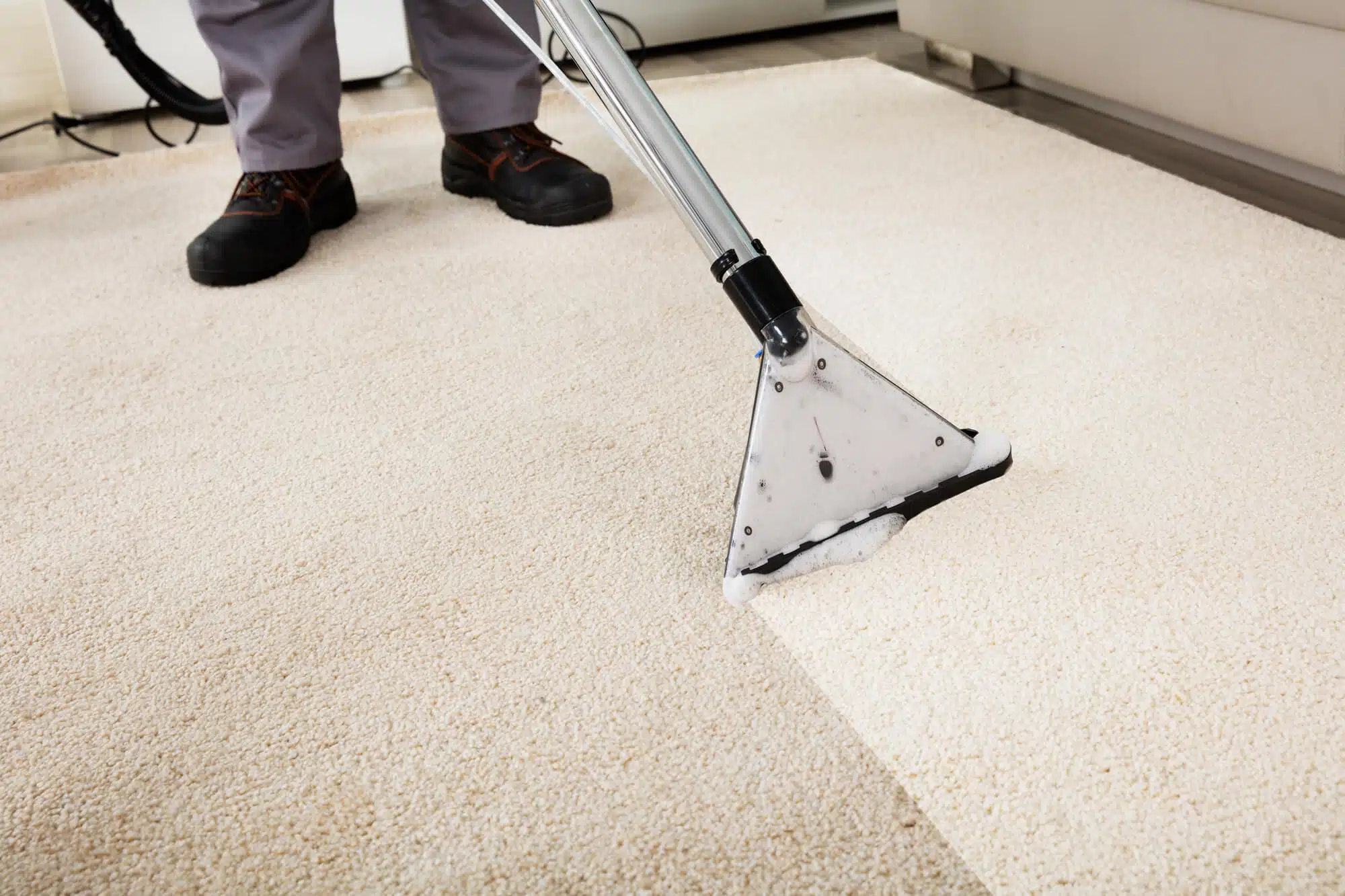
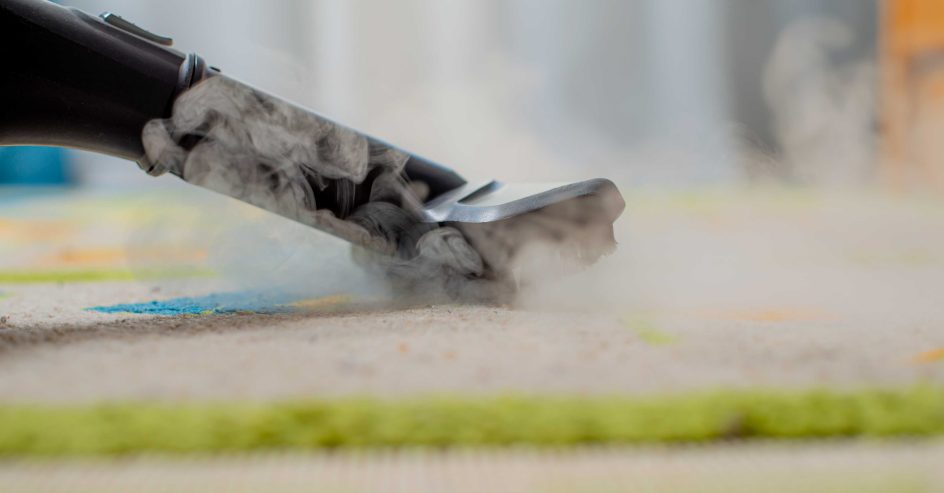
Hot water extraction, or steam cleaning, employs the use of hot water pressure to deep penetrate carpet fibers, picking up dirt and allergens and sanitizing as it goes. Dry carpet cleaning makes little use of water, employing absorbent chemicals that pick up dirt on the surface and then vacuuming, which provides quicker results.
Steam cleaning is very water-hungry, and as a result, 6 to 24 hours can elapse before carpeting is dry, depending on ventilation, thickness, and weather. Dry carpet cleaning dries much faster—it will usually take 30 minutes, and as a result, it is perfect for busy offices or homes with minimal lost time.
Steam cleaning uses hot water and gentle, plant-based cleaners and thus is healthier for allergy patients, kids, and pets. It also does less residue.
Dry cleaning uses chemical powder or chemicals, which are extremely effective for cleaning but create residues or fragrances that will bother delicate individuals.
Dry carpet cleaning may eliminate stubborn oil or dye stains, as it has special solvents.
Steam cleaning can be used for overall dirt and cleanliness, but it will need pretreatment or a follow-up visit in order to tackle set-in stains. Both methods in the problem can be most effective.
Dry carpet cleaning dries within hours to minutes, usually, offering its best possible performance under high-traffic conditions, utilizing its drying ability. Steam cleaning takes longer to dry, especially under cold and poorly ventilated situations, delaying repeated use.
Not all carpet fibers respond equally to cleaning processes. A misused process can destroy fibers or lead to fading, shrinkage, or warping.
 Steam cleaning may overwet such fibers, possibly shrinking and destroying them. Dry carpet cleaning or encapsulation methods are safer to use for delicate or high-pile carpets.
These are more robust and can endure steam cleaning with little risk. Nylon benefits from the deep-cleaning power that steam provides. Dry cleaning, however, remains appropriate for regular maintenance, particularly for stain-resistant fabric like polyester.
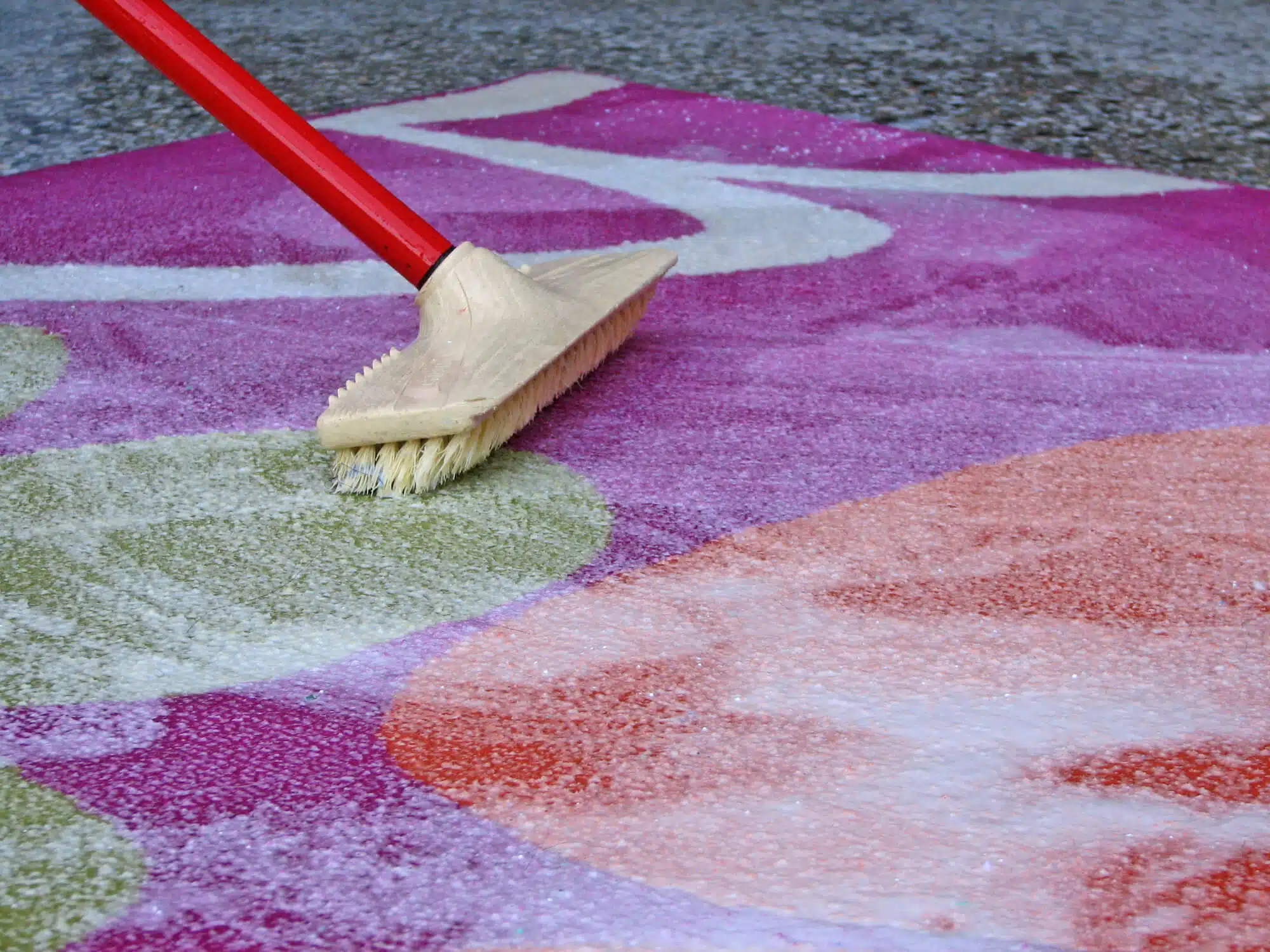
High-pile or specialty rugs need special care. Low-moisture dry cleaning or hand cleaning is preferable to preserve integrity and avoid matting or discoloration.
Home indoor air quality, allergen buildup, and hygiene are all affected through carpet cleaning. Steam carpet cleaning and dry carpet cleaning each have their respective benefits and drawbacks in obtaining a healthy, indoor, comfortable environment.
Steam cleaning eliminates allergens such as dust mites, pollen, and pet dander using the power of heat, not chemicals—perfect for households with allergies or kids.
Dry cleaning is quicker but can deposit VOCs and will not clean as thoroughly to totally remove allergens.
The high temperatures of steam cleaning neutralize bacteria, making it especially helpful for homes with pets or higher foot traffic. Dry cleaning compounds may not reach bacteria hidden deep in fibers and can leave behind chemical traces that build up over time.
The knowledge of the cost and maintenance of steam versus dry carpet cleaning allows you to make an informed choice. Each has varying initial investment, future worth, and maintenance requirements to factor in.
 Steam cleaning equipment varies in price from $50 to more than $500, based on the machine’s capabilities. Most of these devices can be used on numerous different surfaces, providing additional value.
Dry carpet cleaning products or kits cost between $100 and $500, usually based on brand and chemistry requirements.
Choosing the right method helps carpets last longer. Dry cleaning suits delicate fibers and regular upkeep, while steam cleaning every 6–12 months removes deep grime.
Using both—dry cleaning for routine care and steam for deep cleaning—keeps carpets in better shape.
Proper equipment care keeps performance consistent. Clean filters monthly and check brushes or nozzles weekly to avoid damage. Combining both methods in a regular plan boosts carpet cleanliness and extends its life.
Ultimately, when weighing steam vs. dry carpet cleaning, consider your carpet type, cleaning goals, and time constraints.
Use dry cleaning when:
Use steam cleaning when:
A balanced schedule using both can help maintain carpets in top condition.
Steam cleaning is great for deep stains and allergens, while dry cleaning dries faster with less moisture. Knowing your carpet and needs helps you pick the best method.
At Big Easy Pressure Washing, we’re ready to help you choose the right option to keep your carpets fresh and clean. Have questions? Reach out to us or contact us anytime—we’re here to help get your carpets looking their best!
 By Admin
  Sep 23, 2025