


Call Us (504) 688-3995
Call Us (504) 688-3995

Picking the right driveway cleaning method matters everywhere, but in the New Orleans area it also has to account for our humidity and the mildew, algae, and oil stains it breeds on concrete and pavers. The wrong pressure can etch a surface or strip asphalt, while the right approach restores driveways across Metairie, Gretna, and Uptown without damage. The surface-by-surface guide below covers it. For a professional finish, our driveway cleaning team serves the whole metro.
Quick Answer: The best driveway cleaning method depends entirely on your surface, high-pressure hot water at 3,000+ PSI for poured concrete, low-pressure soft washing under 500 PSI for pavers and stamped concrete, and chemical soft-wash only for asphalt (never high pressure, which strips the binder). Using the wrong method on the wrong surface is the single most common cause of driveway damage we get called to repair.

Most homeowners assume a pressure washer is a pressure washer. Pull the trigger, the dirt comes off. Three different surfaces, three different stories, and the reason a paver driveway can look ten years older after one bad cleaning. Here’s the surface-by-surface playbook professionals follow, and a comparison table at the end so you can see at a glance what your driveway actually needs.
Standard broom-finish concrete is the toughest residential driveway surface and the only one that genuinely benefits from straight high-pressure cleaning. The aggregate is dense, the surface is monolithic, and there are no joints or sand to disrupt.
Recommended approach:
Hot water matters more than people realize. Cold water at 4,000 PSI removes surface dirt; hot water at 3,000 PSI lifts ground-in stains because heat breaks the bond between organic matter and the concrete pores. If you’re shopping contractors, ask whether they run hot or cold, it tells you a lot about the equipment they own.
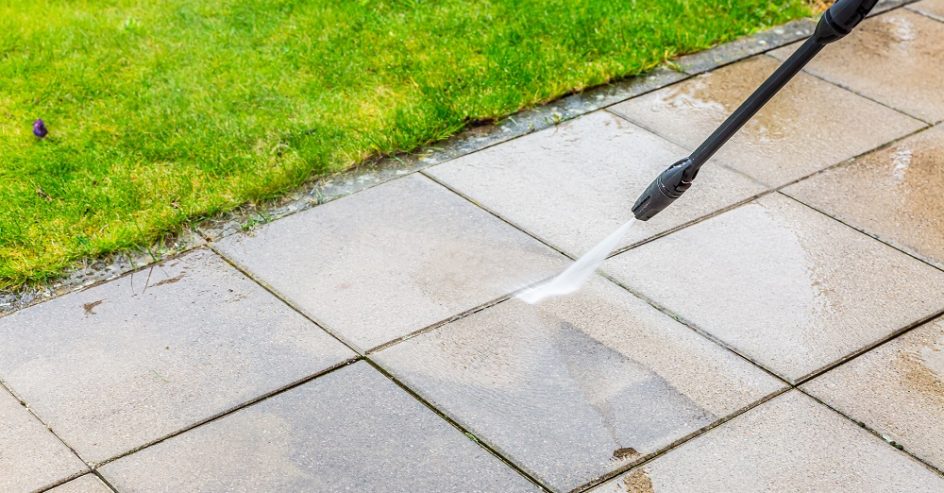
Pavers look like a hard surface. Functionally, they behave more like a sponge with grout lines you cannot see breaking. The surface has decorative texture, the joints hold polymeric sand, and the top millimeter of stamped concrete is pigment-rich color hardener that high pressure will erode in a single afternoon.
Recommended approach:
The Interlocking Concrete Pavement Institute publishes manufacturer guidance recommending pressures under 1,200 PSI for paver maintenance, and even that is the ceiling, not the target. Under 500 PSI with a chemistry-first approach is the actual best practice.
Asphalt is the surface most homeowners get wrong, because it looks rugged and feels like it could take any beating. It can’t. Asphalt is aggregate held together by petroleum binder, and high pressure breaks that binder bond. The result isn’t always immediate, you’ll see it six months later as raveling, alligator cracking, or accelerated aging.
Recommended approach:
This is the same logic our crews apply to commercial sites, see our notes on pressure washing safety tips for commercial property where parking lot asphalt is treated identically. The piece on improving workplace safety with pressure washing covers why method-matching matters in shared-traffic areas too.
| Surface | Method | Max Pressure | Time per 600 sq ft |
|---|---|---|---|
| Poured concrete | Hot-water high pressure + surface cleaner | 3,000, 4,000 PSI | 30, 45 min |
| Pavers | Soft wash + chemistry dwell | 500 PSI | 60, 90 min |
| Stamped concrete | Soft wash + low-pressure rinse | 500 PSI | 60, 90 min |
| Asphalt | Chemical soft wash only | No high pressure | 45, 75 min |
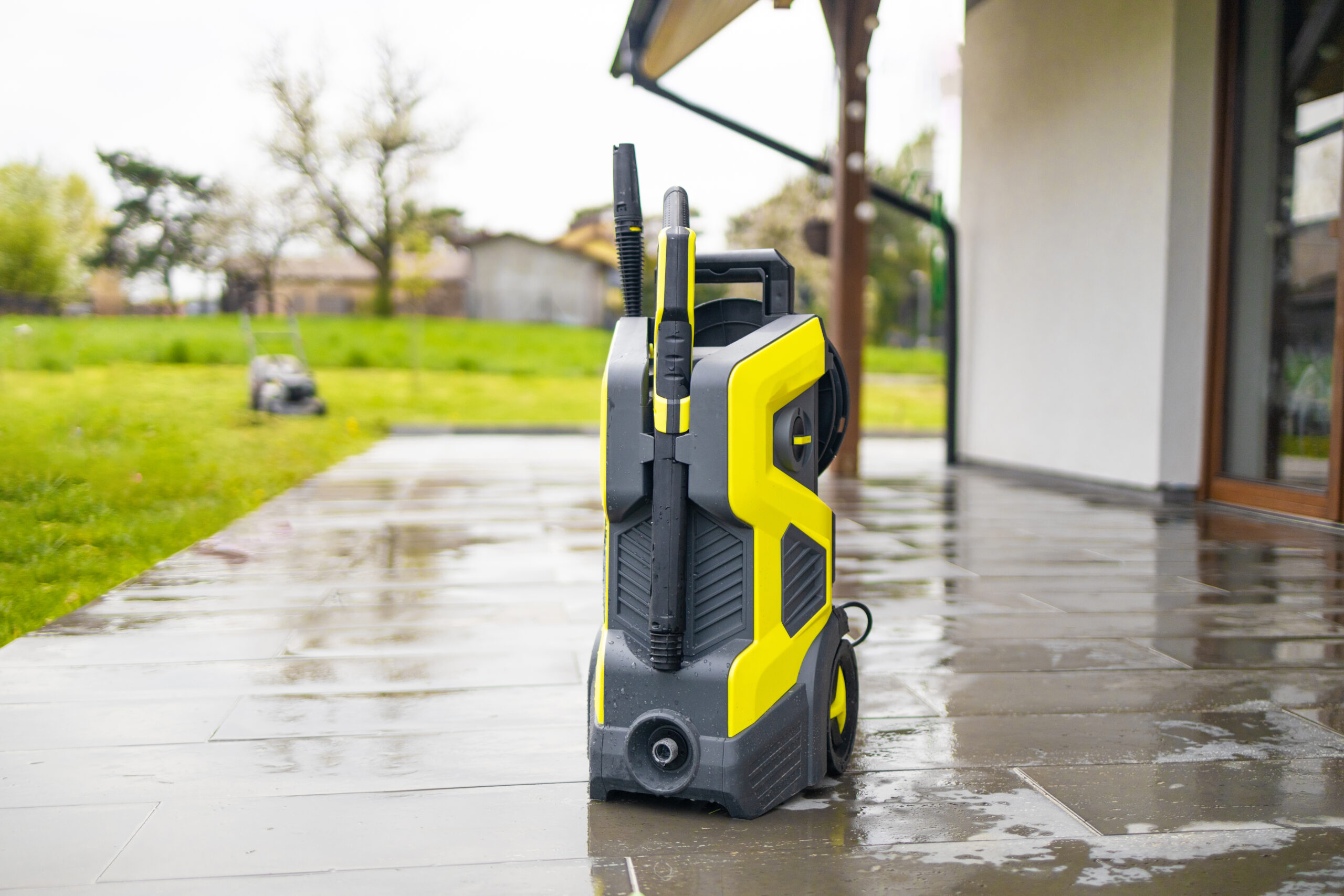
A consumer-grade electric pressure washer (1,800 PSI, cold water) can clean concrete adequately if you have time and patience. It cannot clean pavers properly because consumer machines don’t run soft-wash chemistry, and it actively damages asphalt because the only mode is “high pressure.” If you’re cleaning a mixed-surface driveway, say, a poured concrete drive that runs into a paver entry apron, a single-method DIY job will end up either under-cleaning the concrete or over-pressuring the pavers. There’s no middle setting that works for both. Bundling with adjacent concrete care like our sidewalk pressure washing service uses the same method-matching logic on a larger scale.
Only if they’re the same surface. A concrete driveway and a paver patio need different methods, different pressures, and different chemistries. Treating them the same will damage one of them.
Pavers have visible joints filled with sand. Stamped concrete looks like pavers but the “joints” are scored grooves in a single poured slab, touch one and it feels continuous, not like separate stones.
For ground-in organic stains and oil, yes. For light surface dirt, cold water at 3,500 PSI works fine. Most professional contractors carry hot-water rigs because they save time on every job.
Not really. The big-box rentals are all high-pressure machines. True soft-wash systems run a separate proportioner pump and chemistry tank, that’s contractor-grade equipment, not a weekend rental.
The cheapest mistake to make is paying for the wrong method on the right driveway. Before you commit to a price or a date, walk your driveway with a contractor and confirm three things: what surface you actually have (poured, pavers, stamped, or asphalt), what stain categories are present, and whether the joints or binder are still intact. A 15-minute on-site surface assessment costs nothing and prevents the kind of damage that takes thousands to fix. Schedule a free assessment and we’ll match the method to your driveway before any water touches it.
 By Admin
  Jan 15, 2026