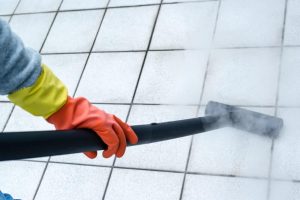
On a New Orleans driveway, the tool you clean with shows up weeks later. A hand-held wand cleans in overlapping arcs, and in our humid climate mildew and algae grow back first along the strips that got a lighter pass, so a slab in Kenner, Uptown, or the West Bank can come back striped instead of evenly clean. A surface cleaner spins its nozzles under a hood and cleans the concrete at one steady distance. This guide covers both tools and the full process, and our driveway cleaning service handles the job across the metro.
In this guide, we’ll walk you through everything you need to know about driveway cleaning with a pressure washer, from preparation to tips on maintaining your driveway long-term.
Why is Pressure Washing the Best Option for Driveway Cleaning?
Driveways take a lot of wear and tear. They endure heavy foot traffic, car tires, oil spills, and exposure to the elements. Dirt and grime can quickly build up, leaving your driveway looking dirty and worn out. While scrubbing by hand might work for small spots, it’s time-consuming and often ineffective for larger areas or tough stains.
Pressure washing, on the other hand, uses high-pressure water to clean surfaces thoroughly and quickly. It’s powerful enough to break down dirt and debris without damaging your driveway if done correctly. It’s the most efficient way to restore your driveway to its original condition.
Step-by-Step Guide to Pressure Washing Your Driveway
If you’ve decided to clean your driveway yourself with a pressure washer, here’s a step-by-step guide to help you achieve the best results:
Step 1: Gather Your Supplies
Before you start, make sure you have all the necessary equipment:
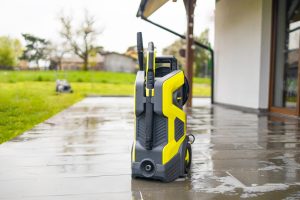
- Pressure washer: You’ll need a pressure washer with enough PSI (pounds per square inch) to handle driveway stains. For most residential driveways, a washer with at least 2,000 PSI should be sufficient.
- Surface cleaner (optional): A surface cleaner attachment helps provide an even wash, especially on large areas.
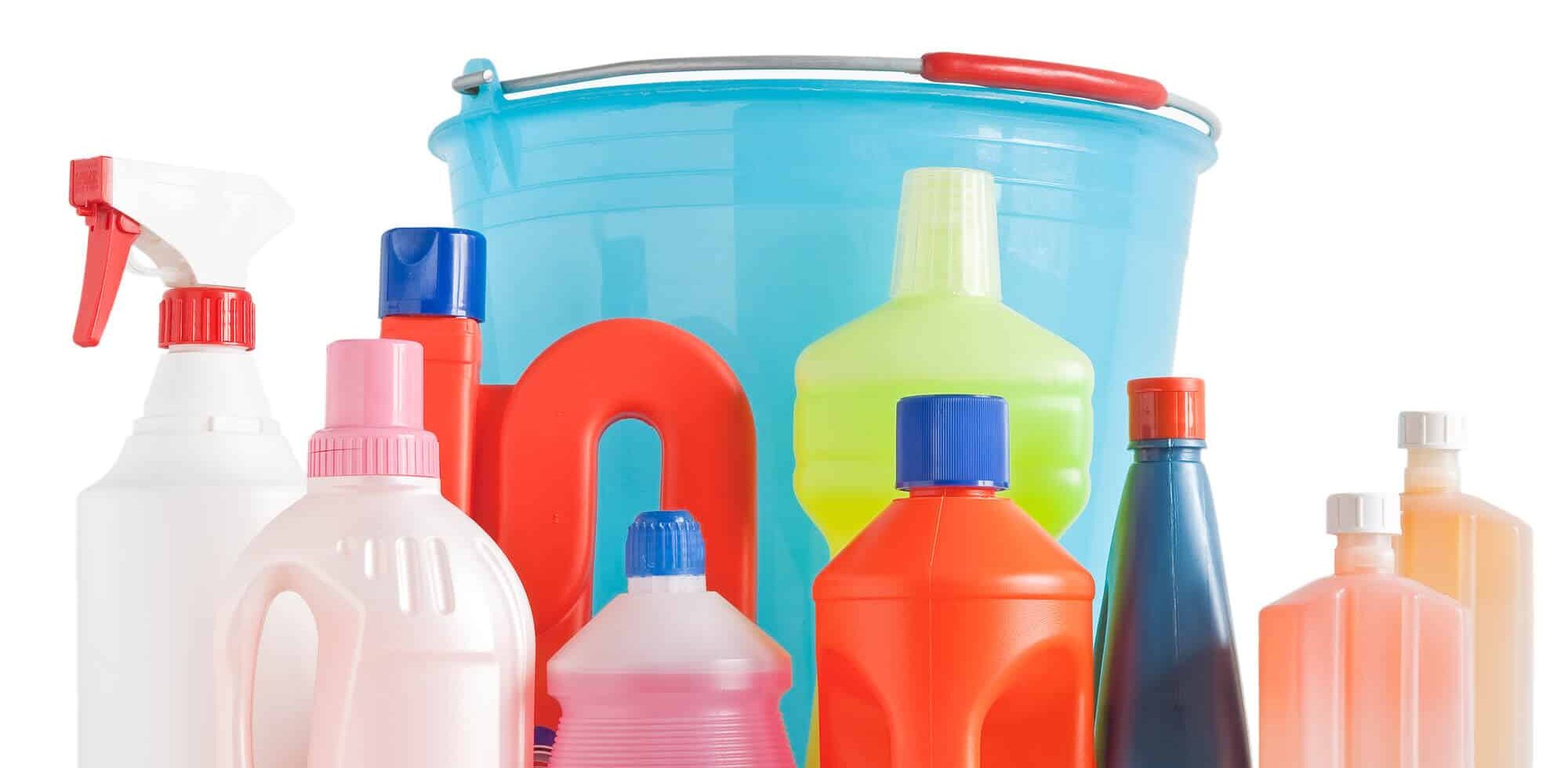
- Cleaning solution (optional): Some stubborn stains might need a degreaser or specific cleaning solution to break them down.
- Garden hose: To connect to the pressure washer and supply water.
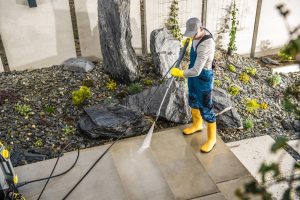
- Protective gear: Safety goggles and gloves will protect you from water spray and debris.
- Nozzles: Most pressure washers come with different nozzle attachments that change the spray pattern. For driveways, a 25-degree or 40-degree nozzle is usually the best choice.
Step 2: Prepare the Area
Before turning on your pressure washer, it’s essential to prepare your driveway:
- Clear the driveway: Move any vehicles, toys, or outdoor furniture out of the way. You need a clear area to work on.
- Sweep the driveway: Sweep away any loose debris like leaves, dirt, and rocks. This will help you focus on the stains and dirt that need the most attention.
- Check for damage: Inspect your driveway for cracks or chips. Pressure washing is a great way to clean, but if the surface is damaged, it may worsen during the cleaning process. Repair any major cracks or holes before starting.
Step 3: Apply Cleaning Solution (If Needed)
For oil stains, grease, or other stubborn marks, you might want to apply a cleaning solution before using the pressure washer. There are various cleaning products designed specifically for concrete driveways, but you can also use a simple degreaser.
- Apply the cleaner: Use a brush or spray bottle to apply the solution to the stains. Let it sit for 10-15 minutes to break down the grime.
- Agitate the stains: For stubborn areas, you can scrub the surface with a stiff brush to loosen the dirt. This step is especially helpful for oil stains or mold spots.
Step 4: Pressure Wash the Driveway
Now it’s time to start pressure washing:
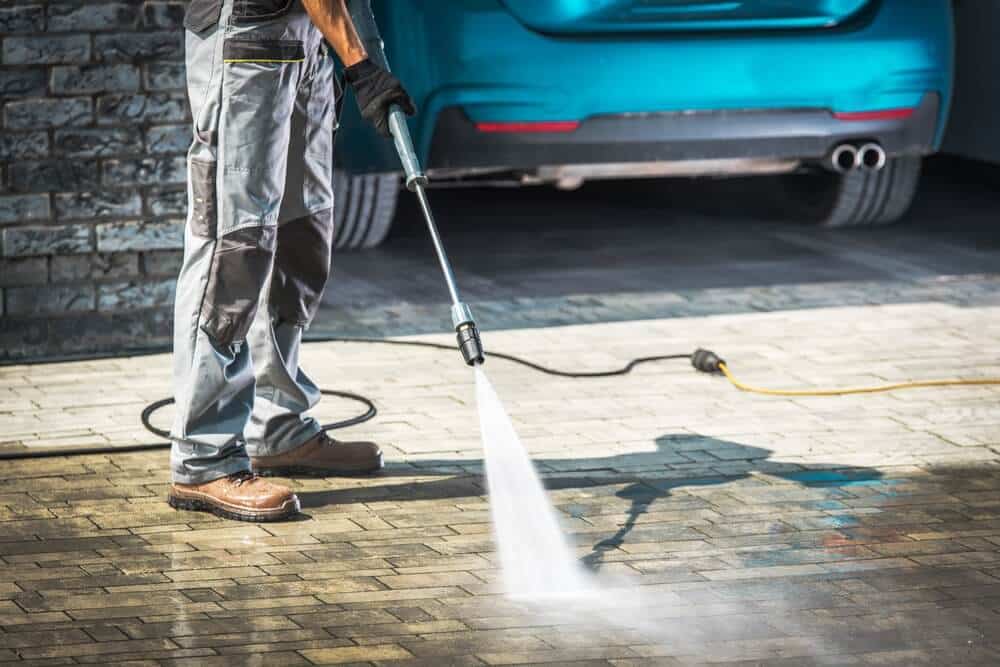
- Start at the highest point: Begin at the highest point of the driveway and work your way down. That way any dirty water runs off and doesn’t affect the area you’ve already cleaned.
- Use the right nozzle: Attach a 25-degree nozzle for a medium spray pattern. This provides enough pressure to clean without causing damage. If you have tough stains, you can switch to a 15-degree nozzle for a more concentrated spray.
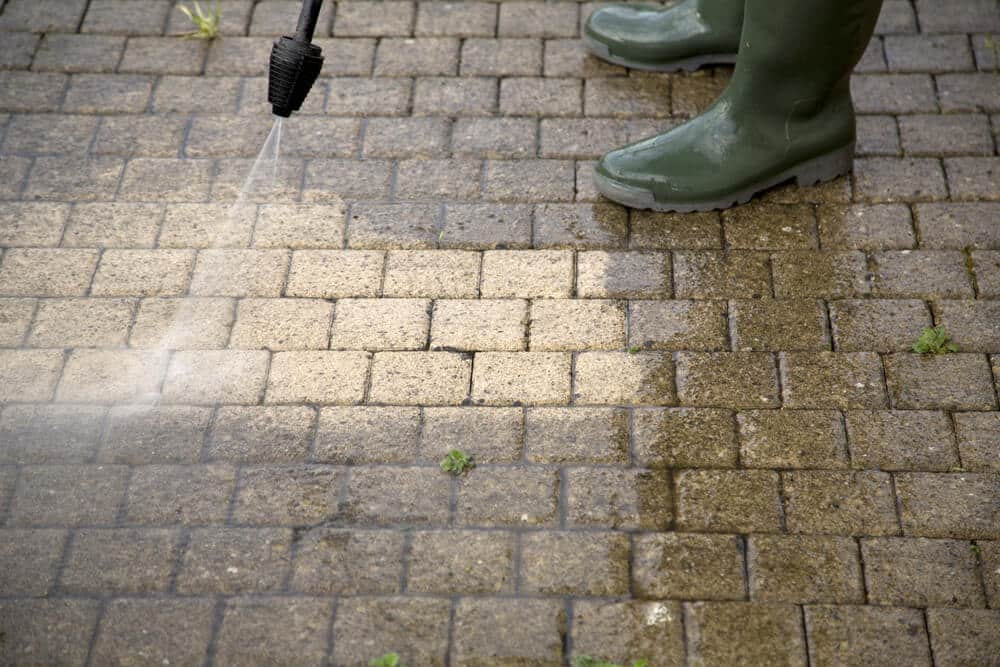
- Hold the wand at a slight angle: Keep the pressure washer wand at a slight angle to the surface, about 12-18 inches away. This helps prevent damage to the driveway and gives a more even clean.
- Move the wand in a sweeping motion: Move the wand back and forth in a smooth, sweeping motion. Don’t hold the spray in one spot for too long, as this can cause damage to the surface.
- Work in sections: Divide your driveway into manageable sections. Work on one section at a time, and cover it thoroughly before moving on.
Step 5: Rinse and Inspect
Once you’ve finished washing the driveway, rinse the surface thoroughly with water. Check for any missed spots or areas that need extra attention. If you spot any stains that didn’t come out, you can reapply the cleaning solution and pressure wash them again.
Surface Cleaner or Wand on a New Orleans Driveway
Flat poured concrete is where a wand does its worst work. Every sweep leaves a slightly cleaner arc beside a slightly dirtier one, and the difference is hard to see while the slab is wet. It shows once the concrete dries. Here the humidity, plus the shade from live oaks and other big street trees, lets mildew move back into the dirtier strips first, so the stripes tend to darken again within a few weeks.
A surface cleaner avoids that by holding a spinning bar at a fixed height under a round hood. The slab gets one even pass, the overspray stays under the hood instead of hitting your car and siding, and a two-car driveway goes faster. Keep the wand for the places a round hood can’t reach: the strip along the house, steps, the edge where the slab meets the lawn, and the inside corners of a carport.
Two local habits help with either tool. Pre-treat the shaded sections, because the green film under a tree canopy needs chemistry, and pressure alone tends to scar the surface before it lifts the growth. Then rinse away from the house, and keep chemical runoff and debris out of the storm drain. Much of the metro is flat, many driveways have very little fall, and after a summer thunderstorm water can sit in the same low spots for hours, so push rinse water and loosened grime away from the house and off the slab. If your driveway runs into pavers or a stamped apron, read our paver cleaning guide first, since pavers take far less pressure than poured concrete. For marks that survive a full clean, our guide to removing oil stains from a driveway covers the next step.
Safety Tips for Pressure Washing Your Driveway
While pressure washing is an effective method for cleaning your driveway, it’s essential to take some safety precautions:
- Wear safety goggles: The high-pressure water can cause debris to fly up, so protect your eyes.
- Use gloves: Wearing gloves will help protect your hands from the pressure spray and keep them safe from any harsh chemicals in cleaning solutions.
- Don’t stand too close: Always keep a safe distance from the surface you’re cleaning. Standing too close can cause damage to the driveway and even injure you.
- Don’t point the wand at people or animals: The force of the water is strong, and it can cause injury. Always aim the nozzle at the ground or surface you’re cleaning.
Tips for Maintaining Your Driveway After Pressure Washing
Pressure washing can give your driveway a fresh, clean look, but it’s important to keep it looking good over time.
Here are some tips for maintaining your driveway:
- Seal your driveway: After cleaning, consider applying a concrete sealer. This will help protect the surface from stains, dirt, and water damage. Sealing also helps maintain the appearance of your driveway for longer.
- Regularly sweep: Sweep your driveway regularly to keep debris from accumulating. This will prevent dirt from embedding into the surface, making cleaning easier in the future.
- Address stains quickly: If you notice oil stains or other marks, address them quickly before they have time to set in. The longer stains sit, the harder they become to remove.
When to Call a Professional
While pressure washing your driveway can be a DIY project, there are times when it’s best to call in the pros. If your driveway has deep stains, significant damage, or large areas to clean, a pressure washing company can handle the job more efficiently.
Big Easy Pressure Washing has the experience, equipment, and expertise to clean your driveway thoroughly and safely, saving you time and getting the best results.
Conclusion
Pressure washing your driveway is an excellent way to keep your home’s exterior looking clean and well-maintained. By following these steps, using the right tools, and taking safety precautions, you can restore the appearance of your driveway and increase your curb appeal. Whether tackling a DIY project or considering hiring a crew, regular driveway cleaning with a pressure washer will keep your property looking its best for years to come.
If you’d rather leave the hard work to the experts, Big Easy Pressure Washing is here to help. We offer professional pressure washing services to clean your driveway and more. Contact us today to schedule your driveway cleaning service and enjoy a spotless, well-maintained driveway without the hassle!