Neighborhood
Bayou St. John
Houses along the bayou sit close to standing water, which keeps the humidity higher and the drying time longer than a few blocks inland.
Houses along the bayou sit close to standing water, which keeps the humidity higher and the drying time longer than a few blocks inland.
Houses along Bayou St. John sit close to standing water, and that raises local humidity enough to matter. Surfaces take longer to dry after rain, so organic growth gets more hours of damp per week than the same wall a few blocks inland. The housing is largely older and raised, with a lot of painted timber and plenty of decorative trim.
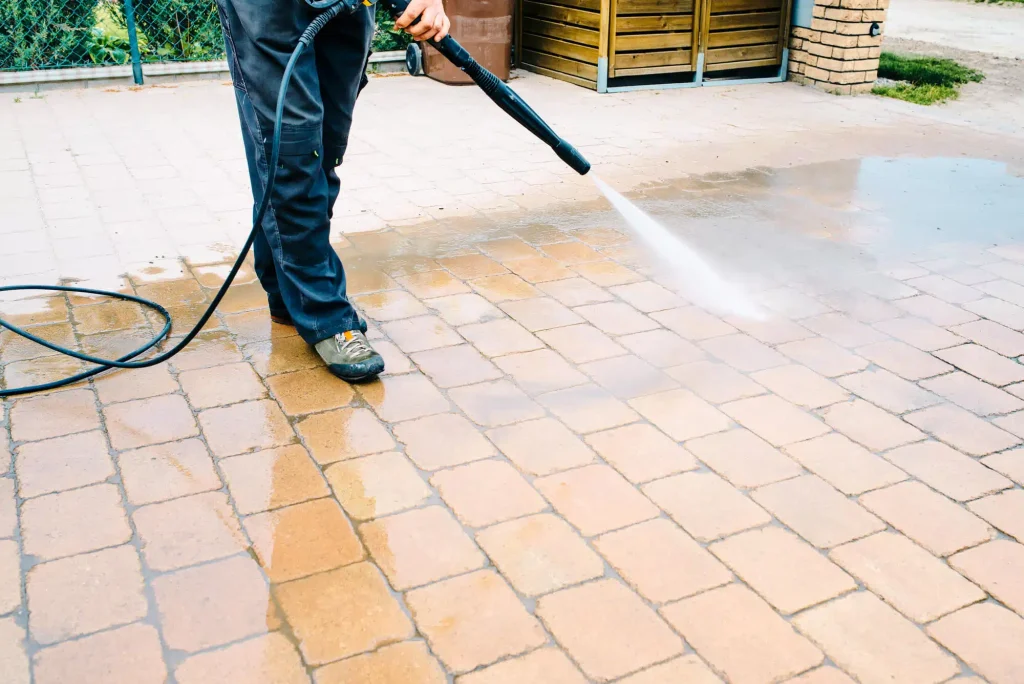
Faster regrowth is the practical consequence, which makes killing the growth rather than removing it more important here than almost anywhere. A cleaning solution given proper dwell time takes the colony out at the root and buys a considerably longer gap. Pressure would take the visible layer and leave it to return within the season.
Growth rate is not really about how much rain falls, it is about how many hours a surface spends damp. Sitting beside standing water raises local humidity enough that surfaces here take measurably longer to dry after rain than the same wall a few blocks inland. More damp hours per week means faster establishment and faster regrowth.
That makes the choice of method matter more here than almost anywhere. Removing growth physically buys a short reprieve before it returns from the roots left behind. Killing the colony with a solution given proper dwell time buys a considerably longer one, and on a property with these conditions that difference is the whole value of the visit.
Much of the housing along the bayou is raised, with galleries, steps and lattice skirting below the floor level. Those lower elements sit closest to the damp ground, get the least sun, and are usually painted timber, so they need attention before the main elevation does. Lattice in particular is fiddly, holds growth on every slat, and is thin enough that pressure breaks it.